

Building a Greener California Home: The Power of Sustainable Materials
California, a state synonymous with innovation and environmental consciousness, is at the forefront of sustainable living. As homeowners increasingly seek to reduce their carbon footprint and build more resilient properties, the integration of sustainable building materials has become paramount. At Powercore Inc, a dual-licensed General B & C-10 Electrical Contractor based in Roseville, CA, we understand that true sustainability goes beyond just solar panels; it’s about creating a holistic, energy-efficient ecosystem for your home, starting with the very materials it’s built from.
This comprehensive guide will explore the transformative impact of sustainable building materials in the Golden State. We'll delve into the benefits, key material categories, and—most importantly—how these choices synergize with cutting-edge solar and energy systems to create homes that are not only eco-friendly but also healthier, more durable, and cost-effective in the long run. Whether you're planning a new build, an ADU addition, or a significant remodel, understanding these materials is your first step towards a greener California home.
Why Sustainable Building Materials Are Essential for California Homes
The choice of building materials has far-reaching implications, particularly in a diverse and ecologically sensitive state like California. From reducing environmental impact to enhancing indoor air quality and long-term financial savings, the advantages of sustainable materials are compelling.
Environmental Stewardship and Resource Conservation
California faces unique environmental challenges, from wildfires and droughts to air quality concerns. Sustainable building materials contribute significantly to mitigating these issues by:
- Reducing Waste: Many sustainable materials incorporate recycled content or are themselves recyclable, diverting waste from landfills.
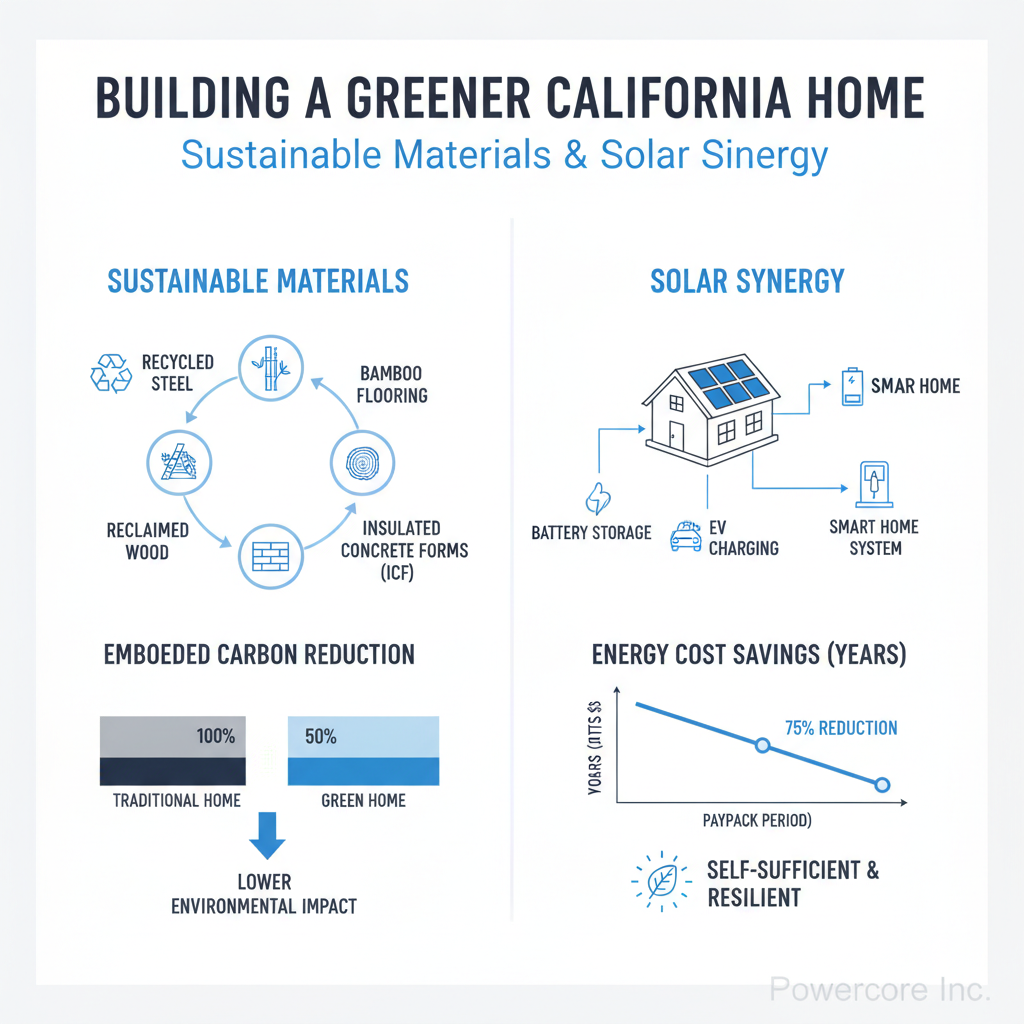
- Lowering Embodied Energy: This refers to the total energy consumed in the extraction, manufacture, transport, and disposal of a material. Sustainable options often have lower embodied energy, meaning less energy consumption and greenhouse gas emissions throughout their lifecycle.
- Conserving Natural Resources: Materials like bamboo, reclaimed wood, or rapidly renewable resources minimize the depletion of finite natural resources.
- Minimizing Pollution: Production processes for sustainable materials often generate less pollution, both in terms of air and water quality.
By making conscious material choices, California homeowners contribute directly to the state's ambitious environmental goals and foster a healthier planet for future generations.
Healthier Indoor Environments for California Families
We spend a significant portion of our lives indoors, making indoor air quality a critical concern. Traditional building materials can off-gas volatile organic compounds (VOCs) and other toxins, leading to respiratory issues, allergies, and other health problems. Sustainable materials prioritize:
- Low-VOC or Zero-VOC: Paints, sealants, and adhesives made with low or no VOCs significantly improve indoor air quality.
- Natural & Non-Toxic: Materials like natural linoleum, cork, or untreated wood avoid harmful chemicals found in synthetic alternatives.
- Mold & Mildew Resistance: Some sustainable materials naturally resist moisture and microbial growth, crucial in California's varied climates.
A healthier home environment is not just a luxury; it's a fundamental aspect of well-being, directly influenced by the materials chosen during construction or remodeling.
Long-Term Cost Savings and Enhanced Resilience
While some sustainable materials might have a higher upfront cost, their long-term benefits often translate into significant savings:
- Energy Efficiency: Materials with superior insulation properties reduce heating and cooling loads, leading to lower utility bills.
- Durability & Longevity: High-quality, sustainable materials are often designed to last longer, requiring less frequent replacement and maintenance. This is especially important in California, where seismic activity and varying weather patterns demand robust construction.
- Increased Property Value: Eco-friendly homes are increasingly attractive to buyers, often commanding higher resale values.
- Reduced Maintenance: Materials chosen for their durability and low environmental impact often require less intensive maintenance over their lifespan.
Meeting California's Green Building Codes and Standards
California leads the nation with its stringent building codes, including CALGreen, the nation’s first statewide mandatory green building code. This code sets benchmarks for energy efficiency, water conservation, and material selection. Incorporating sustainable materials helps homeowners and builders not only comply with these regulations but often exceed them, positioning their properties for future resilience and value. Powercore Inc stays abreast of all California building codes, ensuring our remodels and new construction projects are fully compliant and future-proof.
Key Categories of Sustainable Building Materials for California
The world of sustainable building materials is vast and constantly evolving. For California homeowners, understanding the key categories can help in making informed decisions for their properties.
Renewable, Recycled, and Reclaimed Content Materials
These materials prioritize the use of resources that can be replenished quickly, have been diverted from waste streams, or given a second life:
- Bamboo: A rapidly renewable grass that grows incredibly fast, making it an excellent alternative to traditional hardwoods for flooring, cabinetry, and even structural elements.
- Recycled Steel & Aluminum: These metals are infinitely recyclable without losing their properties, significantly reducing the energy and resources needed compared to virgin production.
- Reclaimed Wood: Timber salvaged from old buildings, barns, or even underwater, offering unique character and preventing new tree harvesting. Perfect for flooring, accent walls, or custom cabinetry.
- Recycled Glass Countertops & Tiles: Beautiful and durable options made from post-consumer or post-industrial glass.
- Recycled Denim Insulation: Made from discarded jeans, this insulation offers excellent thermal performance and is often free of harmful chemicals.
Energy-Efficient and Insulating Materials
These materials are crucial for creating a robust building envelope that minimizes energy loss, directly impacting your home's heating and cooling needs:
- Advanced Insulation: Beyond recycled denim, options like rigid foam insulation (with low global warming potential blowing agents) or spray foam can create a superior thermal barrier.
- Low-Emissivity (Low-E) Windows: These windows have microscopic coatings that reflect heat, keeping interiors cooler in summer and warmer in winter, significantly reducing HVAC strain.
- Cool Roof Materials: Designed to reflect sunlight and absorb less heat than standard roofs, cool roof materials (such as specific types of asphalt shingles, metal roofing, or tiles) can lower attic temperatures and reduce air conditioning costs, particularly in California's hot inland areas.
- Structural Insulated Panels (SIPs): Prefabricated panels that combine insulation and structural components, offering superior energy efficiency and faster construction times for new builds or ADUs.
Locally Sourced and Low-Impact Materials
Minimizing the distance materials travel reduces transportation-related carbon emissions. Utilizing locally sourced materials also supports regional economies and allows for a better understanding of the material's origins and production practices.
- Local Stone & Wood: If available regionally, these materials cut down on shipping costs and environmental impact.
- Adobe or Rammed Earth: For certain architectural styles and climates, these traditional, natural materials can offer excellent thermal mass and a unique aesthetic, often sourced from the building site itself.
- Eco-Friendly Concrete: Utilizing fly ash or slag cement as partial replacements for Portland cement can significantly reduce the carbon footprint of concrete.
Durable and Low-Maintenance Options
Longevity is a cornerstone of sustainability. Materials that last longer reduce the need for replacement, minimizing resource consumption and waste:
- Fiber Cement Siding: Extremely durable, resistant to rot, pests, and fire, fiber cement siding is a long-lasting exterior option that requires minimal maintenance.
- Metal Roofing: With lifespans often exceeding 50 years, metal roofs are a highly durable and often recyclable choice.
- Engineered Wood Products: When sourced sustainably, engineered wood can be more dimensionally stable and durable than traditional lumber, reducing waste and extending structural life.
Non-Toxic and Health-Conscious Choices
Beyond VOCs, consider materials free from formaldehyde, phthalates, and other harmful chemicals commonly found in conventional products.
- Natural Paints & Finishes: Made from plant-based oils, resins, and mineral pigments, these options are safer for installers and occupants.
- Natural Linoleum & Cork Flooring: Biodegradable, non-toxic, and durable alternatives to vinyl and other synthetic floorings.
- Formaldehyde-Free Cabinetry: Opt for cabinets made with plywood or particleboard that use non-toxic binders.
Synergizing Sustainable Materials with Solar & Energy Systems
The true power of sustainable building materials is unleashed when they are integrated thoughtfully with advanced energy systems. This is where Powercore Inc's expertise truly shines, offering a comprehensive approach to home sustainability.
The Foundation: An Energy-Efficient Envelope
Before installing solar panels, optimizing your home’s thermal envelope is crucial. Sustainable insulation, low-E windows, and airtight construction (using sustainable sealants and practices) minimize heat gain and loss. This reduces the overall energy demand of your home, allowing a smaller, more efficient solar & battery storage system to meet your needs.
- Example: High-performance insulation combined with advanced siding materials and low-E windows can cut your heating and cooling loads by 30-50%, making your solar investment even more impactful.
Roofing for Resilience & Solar Integration
The roof is a prime candidate for sustainable material choices, especially when considering solar. Cool roofs, made from reflective materials or coatings, reduce the urban heat island effect and lower internal temperatures. When paired with residential solar panels, this combination creates a powerhouse of energy efficiency and generation.
- Consideration: Powercore Inc's roofing services ensure that your new roof is not only durable and weather-resistant but also perfectly prepared for solar installation, maximizing both energy savings and production.
Optimizing Indoor Comfort with HVAC and Smart Materials
The right materials can significantly reduce the workload on your HVAC climate control system. Materials with high thermal mass, for instance, can absorb and slowly release heat, stabilizing indoor temperatures. Combined with highly efficient HVAC systems, this leads to lower energy consumption and greater comfort.
EV Charging and Sustainable Infrastructure
As electric vehicles become more prevalent in California, the infrastructure for EV charging stations needs to be considered within a sustainable framework. This includes using durable, sustainably sourced materials for charging station enclosures and considering the embodied energy of the electrical components themselves. Integrating EV charging with a home powered by sustainable materials and solar ensures a truly green transportation solution.
Navigating Sustainable Building in California: Regulations & Incentives
California's commitment to environmental leadership means a robust framework of regulations and incentives supports sustainable construction.
CALGreen & Beyond: California's Green Building Standards
The California Green Building Standards Code (CALGreen) mandates various sustainable practices for new construction and certain remodels, including requirements for:
- Material Selection: Encouraging the use of recycled, regional, and low-VOC materials.
- Waste Reduction: Setting targets for construction and demolition waste diversion.
- Water Efficiency: Mandating low-flow fixtures and efficient irrigation.
- Energy Efficiency: Aligning with Title 24, which sets stringent energy performance standards.
Adhering to CALGreen is not just about compliance; it's about building a higher-performing, more sustainable home. Powercore Inc's deep understanding of these regulations ensures your project meets or exceeds these critical standards.
Financial Incentives for Eco-Conscious Homeowners
While specific state incentives for sustainable materials can vary and often change, combining these material choices with energy-efficient upgrades opens doors to significant financial benefits:
- Federal Residential Clean Energy Credit (ITC): Homeowners can claim a tax credit for a percentage of the cost of new, qualified clean energy property for their home, including solar panels and battery storage. While not directly for materials, these energy savings are amplified by a sustainably built envelope. Learn more at the IRS website.
- Local Rebates & Programs: Many California cities and counties offer local rebates or programs for energy-efficient upgrades, cool roofs, or water-saving installations. It's always worth checking with your local utility and municipality.
The long-term savings on utility bills, combined with potential incentives, make sustainable building materials a smart financial investment for California homeowners.
Powercore Inc: Your Partner in Sustainable California Construction
At Powercore Inc, we believe in building for the future. As a California dual-licensed General B & C-10 Electrical Contractor (CSLB #1134334 & #1098175), we offer a unique, integrated approach to sustainable construction across the entire state. We’re not just installing solar panels; we're helping you craft a truly sustainable and resilient home from the ground up, or through comprehensive remodels and new construction projects.
Our expertise spans a wide range of services crucial for sustainable living:
- Solar & Battery Storage: Designing and installing state-of-the-art solar solutions that pair seamlessly with your home's energy-efficient design.
- HVAC Climate Control: Optimizing your heating and cooling systems to work in harmony with your home's high-performance envelope.
- Roofing & Weatherproofing: Ensuring your roof is not only durable but also contributes to your home's thermal efficiency and solar readiness.
- ADUs & Guest Homes: Building new structures with sustainable materials and energy systems from conception.
- Interior & Exterior Remodeling: Guiding you through material selections for kitchens, bathrooms, siding, and decking that prioritize health, durability, and environmental responsibility.
We understand the nuances of California's climate, regulations, and aesthetic preferences. Our team is dedicated to providing tailored solutions that meet your specific needs, budget, and sustainability goals. By integrating sustainable building materials with advanced energy systems, we help you create a home that is truly optimized for California living.
Conclusion: Build Your Sustainable California Dream Home with Powercore
Embracing sustainable building materials is a powerful step towards creating a greener, more resilient, and healthier home in California. When these material choices are thoughtfully integrated with advanced solar and energy systems, the synergy transforms a house into a high-performance, future-proof dwelling.
From the environmental benefits of reduced waste and lower embodied energy to the personal advantages of improved indoor air quality and long-term cost savings, the case for sustainable construction is clear. With California's progressive building codes and a growing array of eco-friendly options, there has never been a better time to invest in your home's sustainable future.
Let Powercore Inc be your trusted partner in this journey. Our comprehensive expertise as a dual-licensed General B & C-10 Electrical Contractor means we can handle every aspect of your sustainable construction or remodeling project, from selecting the right materials to designing and installing the perfect solar and energy solutions. Ready to build a greener, more efficient home? Contact Powercore Inc today at 916-699-8778 to discuss your vision and discover how we can help you achieve your sustainable living goals across California.