

Introduction: Elevating Your California Home with Strategic Fiber Cement Siding
In California's diverse landscape, from the sun-drenched coasts to the fire-prone foothills and everything in between, a home's exterior must be more than just aesthetically pleasing. It needs to be a fortress of durability, resilience, and long-term value. For homeowners considering a significant exterior upgrade, fiber cement siding installation California stands out as a premier choice, offering an unparalleled blend of strength, style, and sustainability.
But simply choosing fiber cement isn't enough; the true secret to unlocking its maximum potential lies in a strategic, meticulously executed installation. This comprehensive guide from Powercore Inc, your trusted California dual-licensed General B & C-10 Electrical Contractor, will delve deep into the nuances of fiber cement siding installation. We'll explore why this material is perfectly suited for California's unique challenges, walk you through the critical steps of a professional installation, discuss cost considerations, and highlight why partnering with an experienced contractor is paramount to protecting your investment and enhancing your home's curb appeal for decades to come.
Why Fiber Cement: The California Advantage for Exterior Solutions
Before diving into the intricacies of installation, it’s essential to understand *why* fiber cement siding has become a gold standard for California homes. Its unique composition and inherent properties address many of the environmental and regulatory challenges faced by properties across the Golden State.
Unmatched Durability and Resilience
Fiber cement is engineered from a blend of cement, sand, water, and cellulose fibers. This unique composition results in a material that is incredibly dense and robust, capable of withstanding significant wear and tear from elements that would degrade other siding options.
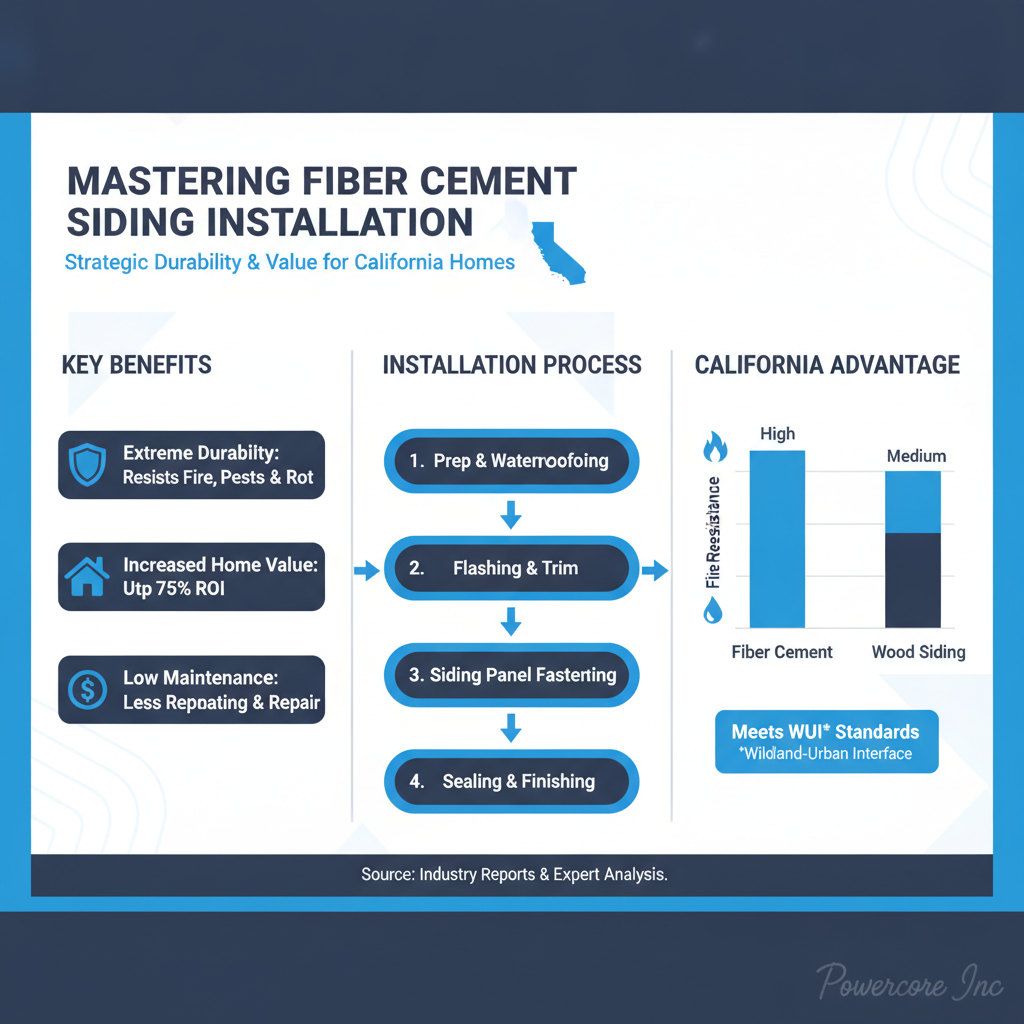
- Fire Resistance: A critical factor in California, especially in Wildland-Urban Interface (WUI) zones. Fiber cement is non-combustible, offering superior fire protection compared to wood or vinyl siding. This can even lead to insurance benefits.
- Pest Resistance: Termites, carpenter ants, and other pests pose a constant threat to wood-based sidings. Fiber cement is impervious to insect infestation, ensuring your home remains structurally sound.
- Moisture and Rot Resistance: Unlike wood, fiber cement does not absorb moisture readily, making it highly resistant to rot, warping, and swelling, even in humid coastal areas or during California's rainy seasons.
- Weather Extremes: From intense summer sun and heat waves in the Central Valley to the occasional heavy rains and strong winds, fiber cement maintains its integrity without cracking, shrinking, or expanding excessively.
Aesthetic Versatility and Curb Appeal
Beyond its strength, fiber cement siding offers incredible design flexibility, allowing homeowners to achieve virtually any architectural style.
- Diverse Styles: Available in a wide array of textures and profiles, including traditional lap siding, vertical board and batten, shingles, and even stucco-like panels. This allows for seamless integration with existing aesthetics or a complete transformation.
- Vibrant, Lasting Colors: Many fiber cement products come pre-finished with baked-on color, offering exceptional fade resistance and a low-maintenance finish that lasts for years. When painted on-site, it holds paint extremely well, reducing the frequency of repainting.
- Authentic Look: High-quality fiber cement can mimic the appearance of natural wood grain with remarkable accuracy, providing the classic charm without the maintenance headaches.
Long-Term Value and ROI
Investing in fiber cement siding is a strategic move that pays dividends over time. Its exceptional durability and low maintenance contribute to a strong return on investment.
- Increased Home Value: A durable, attractive exterior significantly boosts your home's market appeal and resale value.
- Reduced Maintenance Costs: Less frequent painting and repairs mean more savings in the long run.
- Warranty Protection: Most reputable manufacturers offer substantial warranties, often 30-50 years, providing peace of mind.
The Strategic Fiber Cement Siding Installation Process: A Step-by-Step Guide for California Homes
The success of fiber cement siding hinges on its proper installation. A professional, strategic approach ensures optimal performance, longevity, and adherence to California's stringent building codes. Here’s a detailed look at the process.
Phase 1: Planning and Preparation – Laying the Foundation for Success
This initial phase is critical for a smooth and efficient project, especially in California where regulations can vary by municipality.
- Detailed Assessment and Design Consultation: A professional contractor like Powercore Inc will conduct a thorough inspection of your home's exterior, discuss your aesthetic goals, and help you select the ideal fiber cement product (e.g., James Hardie siding is a popular, high-quality choice). Considerations include style, color, texture, and trim options.
- Permits and Local Regulations: In California, most exterior renovations involving siding replacement require building permits. Your contractor should handle this process, ensuring all work complies with local zoning laws, energy efficiency standards, and WUI requirements if applicable. Ignoring permits can lead to costly delays or fines.
- Material Ordering and Delivery: Accurate measurements are essential to minimize waste. Materials should be ordered well in advance and stored properly on-site, protected from moisture and direct sunlight.
- Site Preparation and Demolition: This involves removing old siding, addressing any structural damage, rot, or pest issues found underneath, and ensuring the sheathing is sound and properly fastened. All debris must be safely and legally disposed of.
- Window and Door Flashing: Proper flashing around all openings is paramount for preventing water intrusion. This critical step ensures a watertight seal and protects the underlying structure.
Phase 2: Moisture Management and Barrier Installation – California's Secret Weapon
Given California's potential for heavy rains, coastal fog, and even fire, a robust moisture barrier system is non-negotiable for fiber cement siding installation.
- Weather-Resistive Barrier (WRB) / House Wrap: A high-quality WRB is installed directly over the sheathing, acting as a secondary defense against moisture while allowing the wall to breathe. This is crucial for preventing mold and mildew growth within the wall cavity. Proper overlapping and sealing of seams are vital.
- Rain Screen System (Optional but Recommended): For superior performance, especially in wet climates, a rain screen system creates a small air gap between the WRB and the siding. This allows any moisture that penetrates the siding to drain away and promotes drying of the wall assembly, significantly enhancing durability and energy efficiency.
- Kick-Out Flashing: Installed at roof-to-wall intersections, kick-out flashing diverts water away from the wall, preventing it from running behind the siding and causing rot or damage. This is a common point of failure if overlooked.
Phase 3: Precise Cutting and Fastening Techniques – The Art of Installation
Fiber cement requires specialized tools and techniques for cutting and fastening to ensure a clean, durable finish.
- Accurate Cutting: Fiber cement is dense and generates silica dust when cut. Professional installers use dust-reducing shears or circular saws with specialized fiber cement blades and dust collection systems to ensure clean cuts and protect air quality. Cuts are often made from the backside to minimize chipping.
- Starter Strip Installation: A starter strip, typically made of wood or metal, is installed at the bottom of the wall to properly align the first course of siding and create a consistent reveal.
- Siding Panel Installation: Beginning from the bottom up, each siding panel is carefully measured, cut, and fastened. Proper overlap (typically 1.25 inches for lap siding) is critical for water shedding.
- Fastening Guidelines: Nails or screws must be driven perpendicular to the siding, into the studs, and penetrate at least 1 inch into the framing. Fasteners should be corrosion-resistant and spaced according to manufacturer specifications (e.g., typically 8-12 inches on center). Face nailing vs. blind nailing techniques vary by product and desired aesthetic.
- Expansion Gaps: Fiber cement, while stable, still experiences minimal expansion and contraction. Leaving small gaps (typically 1/8 inch) at butt joints and where siding meets trim, windows, or doors is essential to prevent buckling. These gaps are then filled with high-quality, paintable caulk.
- Window, Door, and Corner Trim: Pre-primed or pre-finished fiber cement trim boards are installed around openings and at corners, providing a clean, finished look and additional weather protection.
Phase 4: Finishing and Sealing – The Final Touches for Longevity
The final steps ensure the siding is fully protected and aesthetically complete.
- Caulking and Sealing: All seams, joints, and penetrations (around pipes, vents, etc.) are meticulously sealed with a high-grade, exterior-rated caulk. This is crucial for preventing water intrusion and maintaining the integrity of the weather barrier.
- Painting (if applicable): If unprimed or pre-primed siding was installed, it will need to be painted. Fiber cement holds paint exceptionally well, but proper surface preparation and high-quality exterior paint are essential for a lasting finish. If pre-finished siding was chosen, only touch-ups may be needed.
- Final Inspection: A thorough walk-through ensures all details are perfect, all debris is removed, and the installation meets both manufacturer specifications and local building codes.
Common Installation Challenges and Strategic Solutions
Even with the best materials, installation pitfalls can compromise performance. A strategic installer anticipates and mitigates these issues:
- Improper Cutting & Dust Management: Silica dust from cutting fiber cement is a health hazard. Professionals use specialized tools and dust collection to protect workers and homeowners.
- Ignoring Manufacturer Specifications: Every fiber cement product has specific installation instructions. Deviating from these can void warranties and lead to premature failure.
- Inadequate Flashing & Moisture Barriers: This is the leading cause of exterior siding failure. Strategic installation emphasizes redundant moisture protection, especially in California's varied climates.
- Incorrect Fastening: Over-driving, under-driving, or misplacing fasteners can lead to cracked boards, loose siding, or moisture intrusion.
- DIY Pitfalls: While some homeowners are handy, fiber cement installation requires specific skills, tools, and an understanding of building science that often exceeds DIY capabilities, particularly given California's strict regulations.
Cost Considerations for Fiber Cement Siding in California
Investing in fiber cement siding is a significant decision, and understanding the costs involved is crucial for strategic planning. While the upfront investment might be higher than some other options, its long-term value often surpasses alternatives.
Factors Influencing Cost
- Material Type & Brand: Premium brands like James Hardie, known for their quality and extensive warranties, may have a higher material cost than lesser-known alternatives. Pre-finished options are generally more expensive than primed-only siding.
- House Size & Complexity: Larger homes naturally require more materials and labor. Homes with multiple stories, intricate architectural details, numerous windows/doors, or challenging access points will incur higher labor costs.
- Demolition & Prep Work: The cost of removing existing siding and addressing any underlying rot, mold, or structural damage can vary widely.
- Labor Rates in California: Due to higher cost of living and specialized skill requirements, labor rates for professional siding installers in California are generally higher than the national average.
- Permit Fees: Local building permit fees vary by municipality across California.
- Additional Features: Upgraded trim packages, rain screen systems, or specialized insulation can add to the overall project cost but often provide enhanced performance and energy efficiency.
While exact figures vary based on location within California (e.g., Bay Area vs. Central Valley) and project specifics, homeowners can generally expect fiber cement siding projects to range from $10 to $18 per square foot installed. This includes material, labor, and basic prep work. Remember, this is an average, and complex projects or premium materials can push costs higher.
Long-Term Value vs. Upfront Cost
It's important to view fiber cement siding as a long-term investment. While the initial cost may be higher than vinyl or some wood options, consider these benefits:
- Exceptional Durability: Less prone to damage, meaning fewer repair costs over its lifespan.
- Low Maintenance: Reduced need for painting and cleaning saves money and time.
- Increased Resale Value: Fiber cement consistently ranks high in return on investment for exterior home improvements.
- Potential Insurance Savings: Its fire-resistant properties can sometimes lead to lower homeowner's insurance premiums, especially in WUI zones.
Choosing the Right California Contractor for Your Fiber Cement Siding Installation
The quality of your fiber cement siding installation is directly tied to the expertise of your contractor. For a significant investment like new siding, especially in California, choosing wisely is paramount.
What to Look For:
- Proper Licensing: Always verify that your contractor holds the appropriate licenses. Powercore Inc, for example, is a dual-licensed California General B (General Building) and C-10 (Electrical) Contractor (CSLB #1134334 & #1098175). A General B license signifies comprehensive construction expertise, while a C-10 ensures they understand and can safely navigate electrical systems often impacted by exterior work.
- Experience with Fiber Cement: Ask for specific examples of fiber cement siding projects they’ve completed, ideally similar to yours. Request references and look at their portfolio.
- Insurance & Bonding: Ensure they carry adequate liability insurance and workers' compensation. This protects you from financial responsibility in case of accidents or damage.
- Detailed Proposals & Contracts: A reputable contractor will provide a clear, itemized proposal outlining materials, labor, timeline, and payment schedule.
- Manufacturer Certifications: Some manufacturers, like James Hardie, offer specialized training and certifications for installers. This indicates a commitment to best practices.
- Local Knowledge: A contractor familiar with California's specific building codes, WUI regulations, and climate challenges is invaluable.
- Warranty: Inquire about their workmanship warranty in addition to the manufacturer's product warranty.
Why Choose Powercore Inc for Your Strategic Siding Project?
At Powercore Inc, we understand that your home is your most significant investment. As a California dual-licensed General B & C-10 Electrical Contractor based in Roseville, CA, we bring a holistic approach to your exterior renovation needs, serving homeowners across the entire state.
- Comprehensive Expertise: Our dual licensing means we have a deep understanding of entire home systems, not just individual components. This allows us to foresee and address potential issues that other contractors might miss, ensuring a truly integrated and durable solution for your fiber cement siding installation California project.
- Quality Craftsmanship: We pride ourselves on meticulous attention to detail, adhering strictly to manufacturer specifications and California's rigorous building codes. Our experienced teams are trained in the latest fiber cement installation techniques, guaranteeing a flawless and long-lasting finish.
- Seamless Project Management: From initial consultation and design to permit acquisition and final inspection, Powercore Inc manages every aspect of your siding project with transparency and efficiency, keeping you informed every step of the way.
- Beyond Siding: As a full-service exterior and interior contractor, we offer a wide range of complementary services including roofing, HVAC, ADUs, remodels, and EV charging. This means we can handle any related needs that may arise during your siding project, simplifying your renovation process.
Choosing Powercore Inc means choosing a partner committed to enhancing your home's beauty, efficiency, and long-term value through strategic, expert-level exterior solutions.
Conclusion: Secure Your Home's Future with Expert Fiber Cement Siding Installation
Fiber cement siding offers California homeowners an exceptional blend of durability, aesthetics, and long-term value, perfectly suited to withstand the state's diverse environmental challenges. However, the true potential of this remarkable material is only realized through a strategic, professional installation.
By understanding the meticulous process, the importance of moisture management, and the critical role of skilled craftsmanship, you can ensure your investment delivers maximum curb appeal and protection for decades. Don't settle for anything less than expert execution for your home's exterior. Trust Powercore Inc to deliver a superior fiber cement siding installation California, enhancing your home's resilience and beauty.
Ready to transform your home with durable, beautiful fiber cement siding? Contact Powercore Inc today for a comprehensive consultation. Call us at 916-699-8778 to discuss your project and discover why we are California's trusted partner for exterior solutions.